
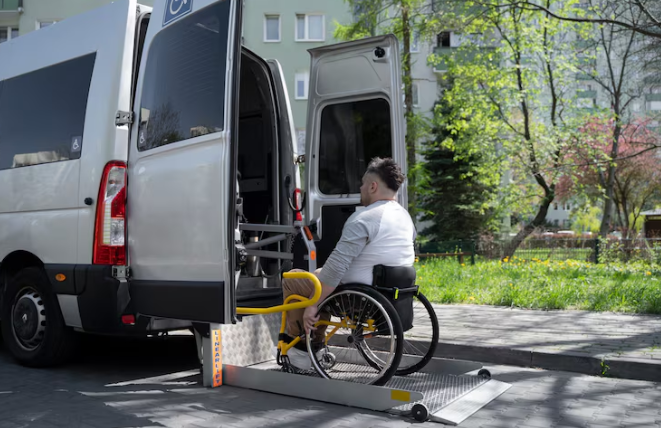
Planning an Accessible Texas Road Trip: Matching Your Wheelchair Van to Real-World Constraints
Texas rewards road trippers with big skies, long stretches of highway, and major attractions spread hundreds of miles apart. The right accessible van is more than a luxury for wheelchair-user travelers. It determines where you can park, how fast you load, how long you can stay on the road, even which hotels and garages make sense. This guide covers the practical limitations that matter in Texas and how to match a rental van’s features to your mobility device, passenger load, and itinerary. So the car supports your plans, not limits them.
1. Measure the Mobility Device and Match the Entry Type
Begin with the measurements. Measure the total width of the wheelchair or scooter at its widest point, including any joystick guards and cambered wheels. With the footrests or anti-tip wheels in place, note the length. If the rider will be remaining in the chair while traveling, note the seated height. Add estimated system weight, as ramp and tie-down ratings are based on it. This information will help you decide whether side-entry or rear-entry vans are best for you, whether lowered-floor minivans or full-size vans are better, and whether the door-opening height, ramp angle, and interior headroom suit the rider and caregiver.
Suppose you are unsure how to measure or which entry style fits your itinerary best, an accessible van rental company in Texas can walk you through common configurations before you reserve. Generally, side entry ramps work well for curbside drop-offs and lots with van-accessible aisles. Rear entry ramps can be easier for parallel parking or for narrow lots without a wide passenger-side aisle. Full-size vans often have more headroom and door height but can restrict garage access compared with lowered-floor minivans.
2. Seat Map, Tie Downs, and Real Passenger Loads
Then create a seat map that reflects your real group. “Count up how many people are going to ride at once and where the wheelchair is going to sit in relation to caregivers and luggage.” Ask how many 4-point tie-down stations the van has. Verify the type of retractors and lap shoulder belt available for the wheelchair occupant. Many vans have L track rails that allow fore-and-aft adjustment. That flexibility matters if you need legroom for a tall rider, space for a service animal, or a stroller behind the second row.
Let’s look at two realistic cases. A family of five with one powerchair might need a side-entry minivan so that the chair can lock down in a mid-row position with the jump seats folded, and siblings can use the third row. In contrast, three adults with a heavy scooter may want rear entry loading that clears the aisle. It’s a trade-off: the deeper the chair, the better the weight distribution and ride comfort, but the less room for coolers or suitcases. Choose what matters most on your trip days, not just your travel days.
3. Texas Distances, Heat, and Equipment Reliability
The equipment is feeling the heat. Ramps and lifts can slow down if parts overheat. Powerchair batteries don’t last as long in hot weather and headwinds. Before the first departure of the day, check for debris in the hinge or track by cycling the ramp once on level ground. Keep a small towel handy to cool hot ramp surfaces and pre-cool the cabin so the wheelchair occupant is comfortable during securement. Also bring the chair charger and a heavy-duty extension cord so you can plug into accessible hotel outlets. If you are charging on the go with a 12-volt inverter, check the output rating and do not run several high-draw devices at the same time.
Long distances also affect the way you schedule your stops. Getting from Houston to El Paso, or from San Antonio to the Panhandle, means long stretches of highway at high speeds, with crosswinds and sun exposure. Securement straps can stretch slightly under load, so check front and rear tie-down tension at fuel and restroom breaks. For event days like a summer beach trip near Corpus Christi or an afternoon game in Arlington, load early, cool the interior first, and stage in shade when possible. These small steps help keep equipment up as ambient temperatures rise.
4. Parking, Curb Access, and Venue Rules
Parking geometry dictates which entry style works best for your stops. Side entry ramps need a wide aisle on the passenger side, preferably with marked van-accessible spaces and additional striped width. Vehicles that load from the back need a clear zone behind them but can often fit into tighter lots. Check out garage height restrictions at downtown hotels, theaters, and museums. Many urban garages have posted clearances of around 6 feet 6 inches, which can exclude raised-roof or roof-rail vans even if a minivan platform has a lowered floor. If garage access matters, ask about exterior surface lots or designated loading areas where you can safely deploy the ramp.
Areas have curb areas designated for loading wheelchairs at airports, stadiums, and hospitals. Confirm the venue is okay with standing for long periods during setup. Call your hotel to confirm you can drop off in the bell area and park where a van can access it. Toll roads near Austin, Dallas-Fort Worth, and Houston, Texas can be a direct route. Ask the rental company about their toll policy and whether the car is set up for electronic tolling. If a caregiver is transferring a child to a car seat, check anchor points and ensure the process of securing the child leaves enough aisle space to work safely.
Driver Requirements, Insurance, and Backup Plans
Before you are picked up, make sure you meet these basic requirements: the type of license you need, the minimum driving age, and how to add more than one authorized driver. Ask about your proof-of-insurance needs, supplemental liability, or roadside assistance. During the handoff, get a hands-on demo of the ramp or lift, manual override release, and interlocks that require the gear selector to be in Park or the parking brake set. Practice using the 4-point tie-downs and the wheelchair occupant belt so you are not learning the securement steps in a busy loading zone. Take a picture of the tie-down layout and note which belts are front vs. rear.
Prepare for the worst. Many systems have a manual mode to lower or raise the ramp without power if a warning light comes on or a ramp doesn’t deploy. Know where that release is. Schedule buffer time so a slow securement or a call to support won’t make you miss a tour or medical appointment. Pack a basic kit with hand wipes for ramp traction, gloves to handle straps, and a clip-on light for early morning or evening securement checks. A backup plan transforms a potential delay into a tolerable interruption.
Texas rewards those who plan for its size and its weather. The road to an easy, accessible trip begins with a tape measure and a seat map, not the rental counter. Choose the parking location and vehicle class for your stay, confirm tie-down points for the specific passenger load you’ll carry, and consider how heat and distance affect both mobility equipment and ramp hardware. Check venue and garage limits, train at pickup, and keep a small contingency kit handy. With the right fit and a few field-tested habits, the van becomes a dependable part of the adventure, not a daily question mark.
Read more: Style Society Guy Menswear Blogger NYC: The Guide to Urban Fashion